Scopique
 Scopique
When I was younger, I user to “acquire” Adobe Photoshop through “certain channels” for “an undisclosed fee”. This was “before I…” I mean, before I had a job, but it was also before Adobe became the Kleenex-brand of the graphics world and jacked up the price on their products to prove it. Many years later when I had a job and an actual need for Adobe products, I paid their subscription prices for a while because although there were alternatives for apps like Photoshop and Illustrator, there were other titles in their stable that I wanted, like After Effects, which didn’t have a comparable, mature, less expensive competitor.
Nature abhors a vacuum, and hell hath no fury like a bunch of creatives who are being forced to pay exorbitant subscription fees to be tethered to a bloated industry standard when there are decent and up-and-coming replacements for the dominant players in their fields. I’m not going to deny that there have always been alternatives — good, solid alternatives — to Adobe products, but there haven’t always been alternatives to all Adobe products. That looks like it’s changing. First it was replacements for Photoshop. Then Illustrator. The hype right about now surrounds the apps that are looking to breathe down the collar of After Effects, the one app I really miss not having in the Adobe suite.
If you follow me on Mastodon you might be aware of my posts regarding Davinci Resolve, which is currently brawling with Premier Pro for dominance in the realm of video editing. Resolve also comes with Fusion, a motion graphics/VFX tool that is incredibly powerful. Seemingly not content with the amount of Adobe’s lunch their can eat, Blackmagic Design recently announced Resolve 21 which adds a new tab to the suite for photo editing. While this feature is BMD’s first stab at such a tool, they aren’t going to let Adobe get away with anything, as this new feature is intended to go straight for Lightroom’s jugular (eventually).
Recently, and confusingly in lock-step, two companies announced that their own motion graphics suites were going gratis: Canva’s Cavalry and Maxon’s Autograph.
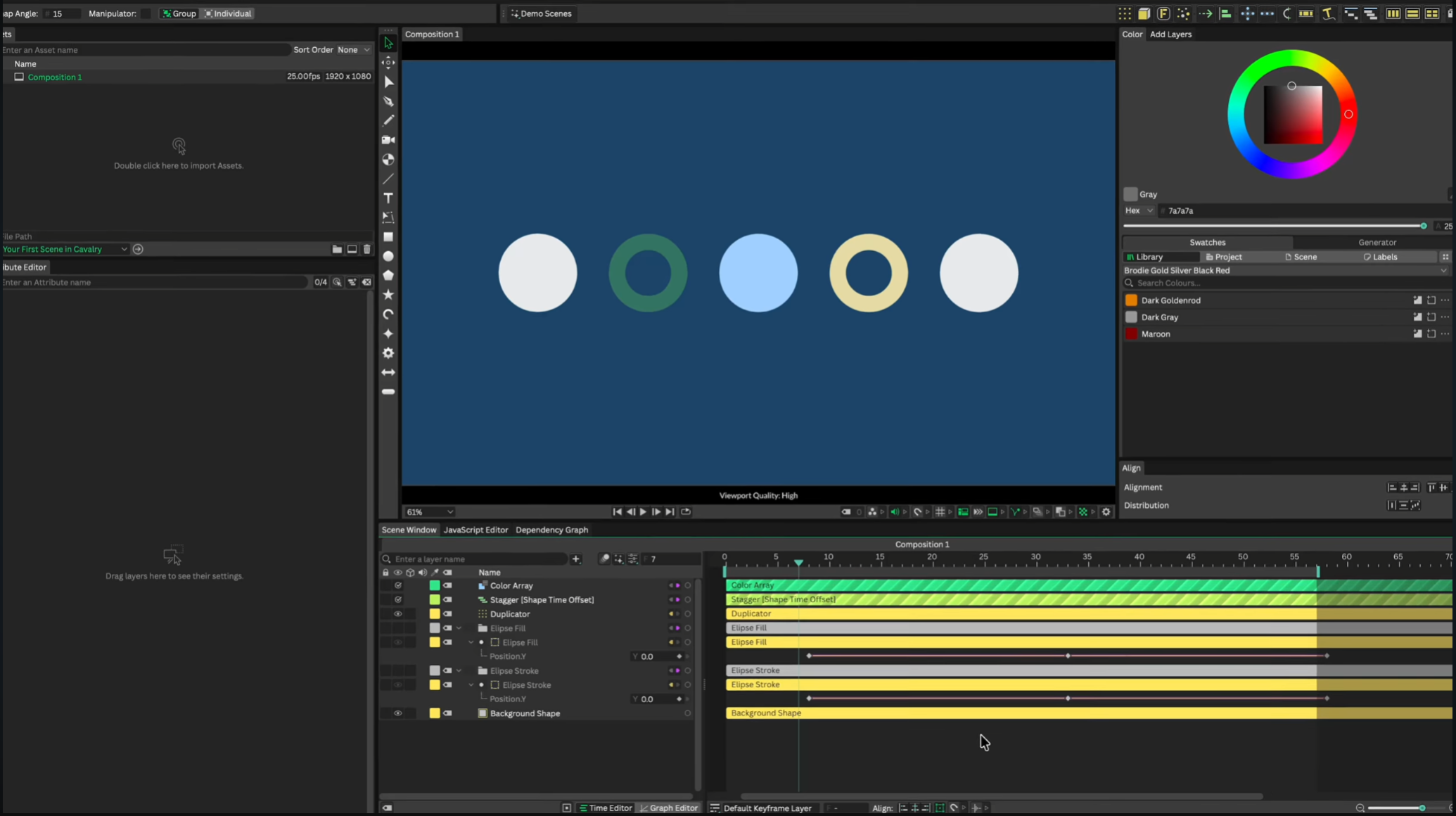
Cavalry has been around for quite some time, but was acquired by Adobe’s rapidly evolving nemesis Canva in February 2026. I had tried it a few years back when I struggled to justify paying Adobe’s subscription prices just for AE, and since I never ended up using Cavalry, I assume I found it lacking at that time. But that was a few years ago, so I am interested to see how it’s progressed since then, and I’m interested to see if Canva can avoid becoming Adobe 2.0.
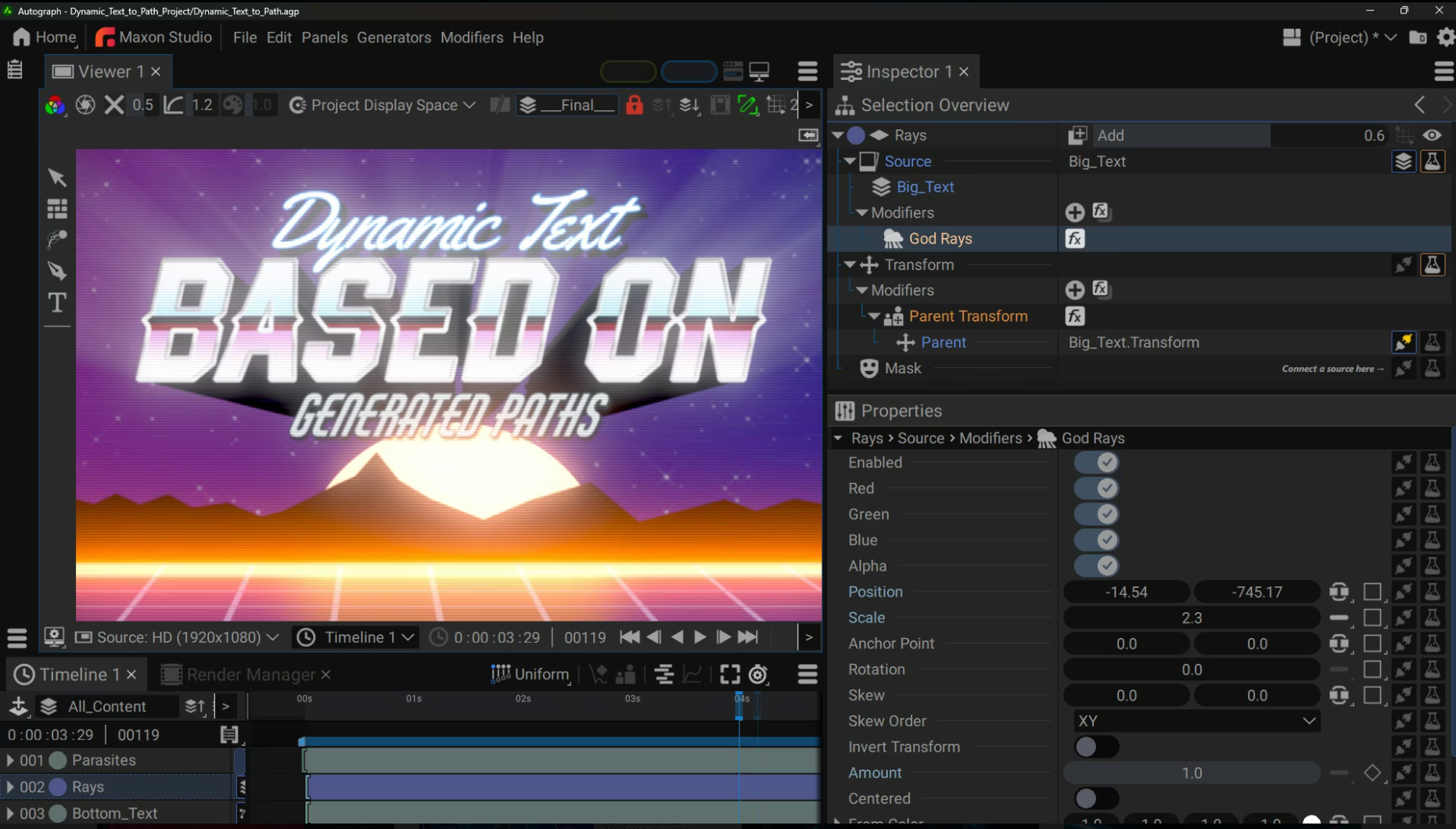
Autograph is a different story; I have seen VFX and motion graphics gurus scratch their heads at it’s mention. Maxon is well known in it’s industry for providing first-in-class add-ons for VFX and motion graphics. Autograph was created by a company called Left Angle who, I assume, couldn’t gain traction in an AE dominant world, and was about to shut down when Maxon swooped in an acquired them. While Autograph is the least known of the motion graphics suites, being owned by the company that makes the most popular (and most expensive) VFX and motion graphics plugins sets up a pipeline between Maxon’s paid products and this new gateway application that isn’t After Effects.
How can these companies do this when Adobe is charging $35USD per month for Creative Cloud ($22 per month for AE alone)? Blackmagic Design sells industry-standard cameras used in Hollywood and around the world, which subsidize a free version of Davinci Resolve. Maxon, although they’re almost like a mini-Adobe in their stranglehold on portions of the creative industry and an exorbitant pricing structure, use that position to make Autograph work for them as an introduction to their paid products. Canva is Canva; they’ve been snatching up all kinds of design apps over the past few years, like Affinity, thanks to their premium online design resource tools and shops.
Where we go from here is up to Maxon and Canva. They could be looking at Adobe as an aspiration, luring people in with powerful freebies and then slamming the door shut behind them once they’ve grown accustomed to having so much for so little; this is the de facto assumption of the Internet, of course. On the other hand, Blackmagic Design offers a free version for Resolve as well as a paid version. Resolve free is an insanely powerful tool and BMD’s dual offerings provides a decent model for Maxon and Canva to follow, in my opinion, as the Pro version adds “nice to have” features that free users wouldn’t really know they’re missing. I’d love to see both Maxon and Canva look to Blackmagic Design rather than Adobe for how Architect and Cavalry could work in a world dominate by Adobe’s stranglehold because, of course, we all like free stuff, and powerful, free stuff is better. Making Adobe sweat, though…that’s the real icing on the cake.