Scopique
 Scopique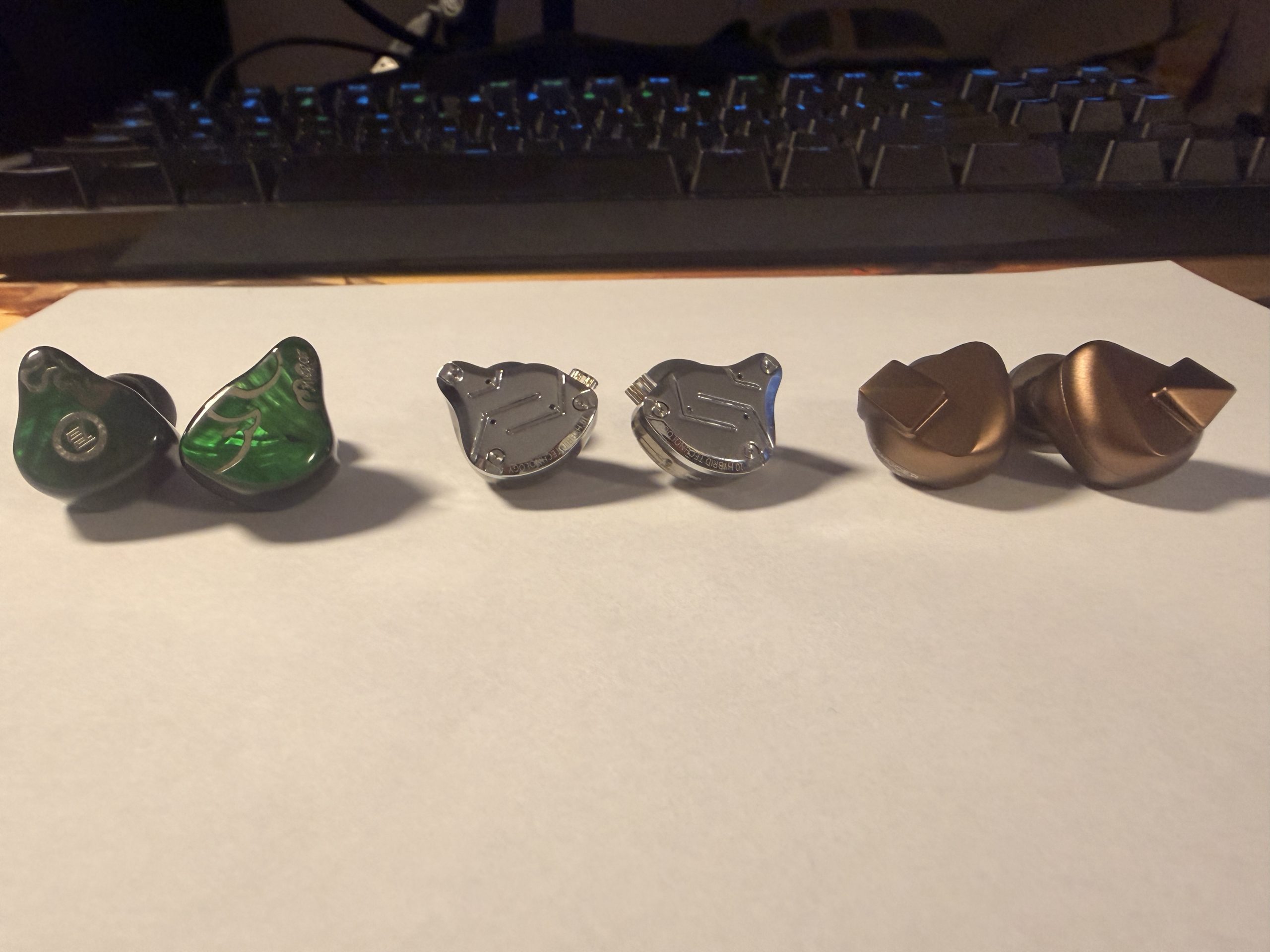
Since I started down this path towards what the sweaty crusaders would call “music independence”, I have learned a bit, but nowhere near enough to sell myself as anything other than a participant. Modern day music enjoyment in this particular vein is a whole new vernacular that doesn’t really trade on past circumstance; back when the Diamond Rio was in vogue, no one was concerned about what drove it. Now, no discussion about digital audio players (DAP) is complete without a recitation of the innards of the device and how well they can pump out audio compared to the previous generation’s attempts. That’s only part of the battle, though, because what we stick in our ears also makes a difference, and there are as many options for these as there are for audio players. This might lead a certain type of person to land somewhere on the obsessive spectrum. While I’m sure there are those out there who would take a nuanced view of their own position on this spectrum, there are people like me who tend to fall into more…spastic buckets devoid of dedicated purpose. For me, the bucket is the purpose because I don’t really know any better, but I just want to be in this specific bucket, right now.
I now have three pairs of IEMs, or in-ear monitors. I have no idea when we transitioned from “ear buds” to “in-ear monitors” except that “ear buds” sounds like a trailer park rendition of a more snooty “in-ear monitor” and that makes me giggle a bit. If you have allowed your gaze to drift to the ears of a performing musician then you might notice that the in-ear devices they wear look a lot like the items in the screenshot above. Musicians use these devices for cleaner feedback of — or, to monitor — the music that’s being played so they don’t need to rely to the blast of audio that the audience hears. I also don’t know when these devices slipped free of their professional origins and arrived in the hands of anyone who has a credit card, but for those who want to do more than just hear sounds, I suppose we can be thankful that they did.
Planar vs dynamic
There’s two types of IEMs out there right now: planar driver-base, and dynamic driver-based.
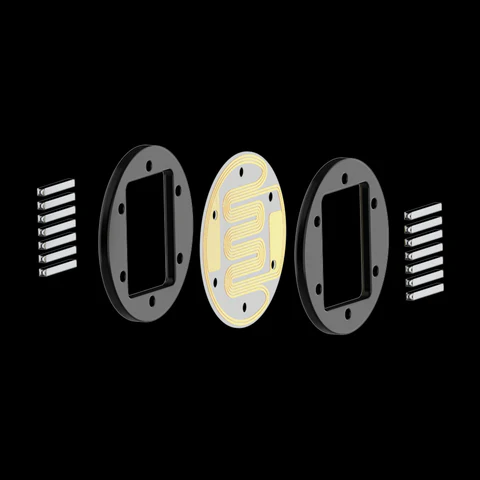
Planar drivers use magnets to vibrate a thin membrane, working not unlike our own eardrum if we were all Terminators. The membrane is covered by a conductive wire pattern and when a magnetic field is produced, the diaphragm vibrates; as a result, planar drivers are considered to reproduce audio at a more faithful level because the embedded wire works the membrane better than it would if it were pin-pointed like in a dynamic driver setup. Planar driver’s strength lies in the mid- to high-range frequencies. They also have low distortion, so we don’t get muddy audio in the lower registers.
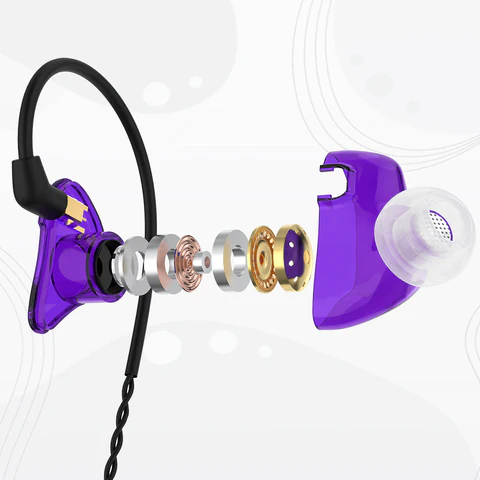
Dynamic drivers are the more traditional designs that have been around for decades. They are basically tiny loudspeakers. When electromagnetic signals pass through a tiny coil, a magnetic field is created that pushes and pulls on a diaphragm, vibrating the air to create sound waves. They are easy to make, and cheap to produce. Dynamic divers excel at bass boosting, and while they can do well in the mid- to upper-range registers, they aren’t as good as planar drivers in this regard. Dynamic drivers also tend to be bulkier, because they require more internal hardware.
I’m not writing this from a scholarly position. I’m actually researching the difference between the two as I write this, because two of the IEMs I own are dynamic, and one is planar, and while I knew that there were differences between them when I bought them, I didn’t know why; I just diversified because I wanted to experience the why.
Does it matter?
I guess. Although, back up…I suppose the better question is “can I tell the difference”. The answer to that question is “yes, absolutely”.
One thing that I’ve seen a lot of people in my same boat — the “new to the 21st century digital audio experience” boat — say is that once they get a modern DAP and some sort of non-gas station IEMs, they are hearing things in their music that they had never heard before. On it’s face that sounds like bullshit, a trick-of-the-self to justify having spent anywhere from $50 to several thousand dollars on IEMs (I am certainly in the lower range of that spectrum, trust me). The truth is that a good set of IEMs can illuminate audio that you’ve never heard in even your most familiar songs. For example, I was listening to a song by The Night Flight Orchestra that I had heard hundreds of times before, but last night, listening using my latest set of IEMs, I heard a hand-clapping beat that I had never noticed before. It was subtle, almost indistinct, but it was most certainly there and had always been there. I’ve also heard other sounds and instruments in other songs that I know I had never before heard with my AirPods or other ear buds.
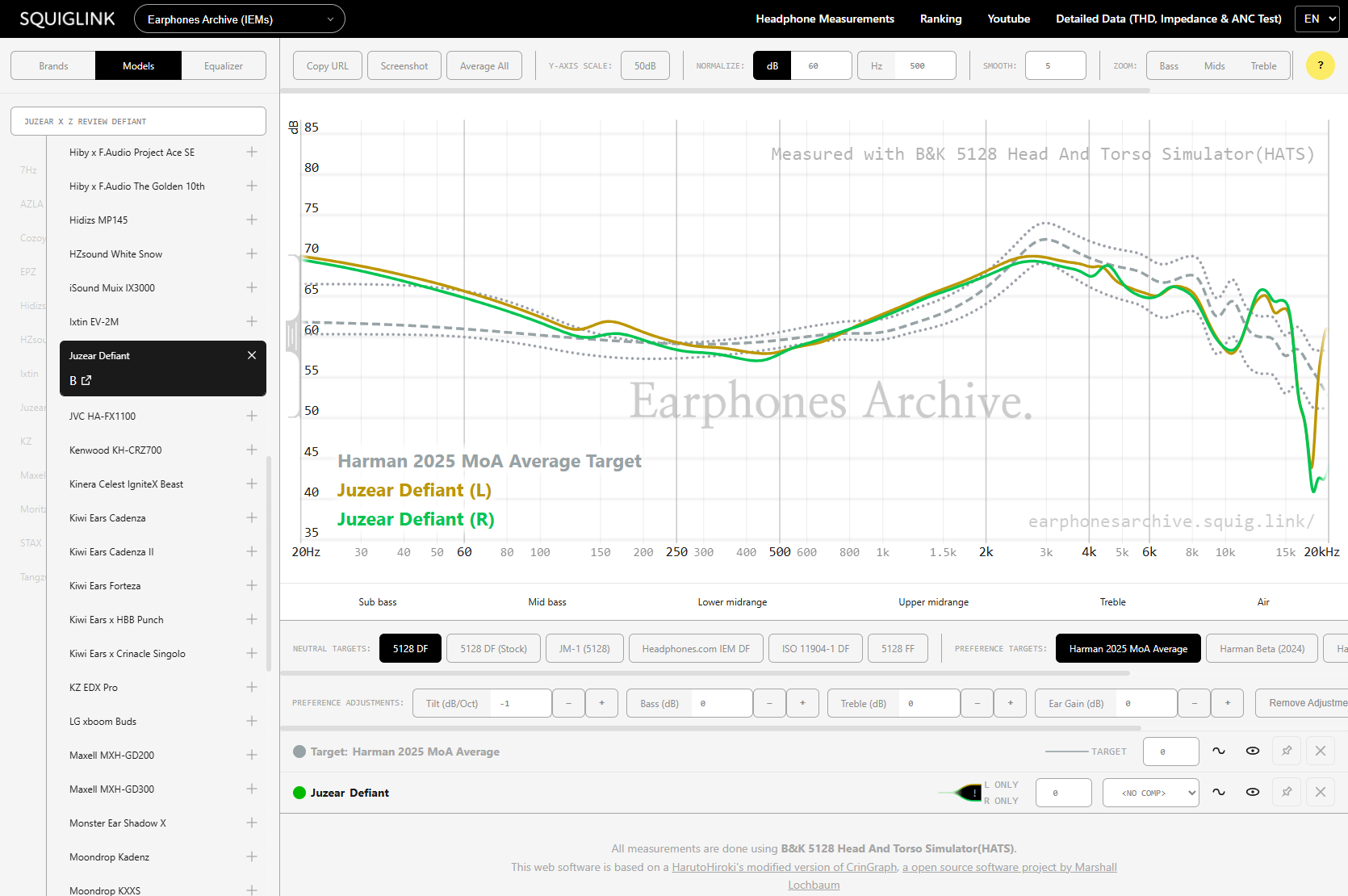
The real point of research, though, depends on what you value in your music, or if you’re open to having a different music experience with the same songs. Although the differentiation between planar and dynamic talks about mid- and high-range boost versus bass boost, within each category these things can differ. Some dynamic driver IEM brands do a really good job with bass while others favor the vocals. The inverse can be true for different brands of planar drivers. The problem is that we — you and me, specifically — really don’t have enough money to just start buying every IEM we see, nor do we have an inroad to receive items for review. We are left relying on people who have one, the other, or both, or we can stare at sites like Squiglink while stroking our chins and nodding our heads like these graphs actually mean something. I suppose at a most basic level these graphs do mean something with only a basic understanding of what we’re looking at, although the full impact would only be available to those who understand such audio graphs. At a basic level we can use tools like this to compare one IEM against another, and choose the option which best fits our personal preferences (and price-point).
But wait! There’s more!
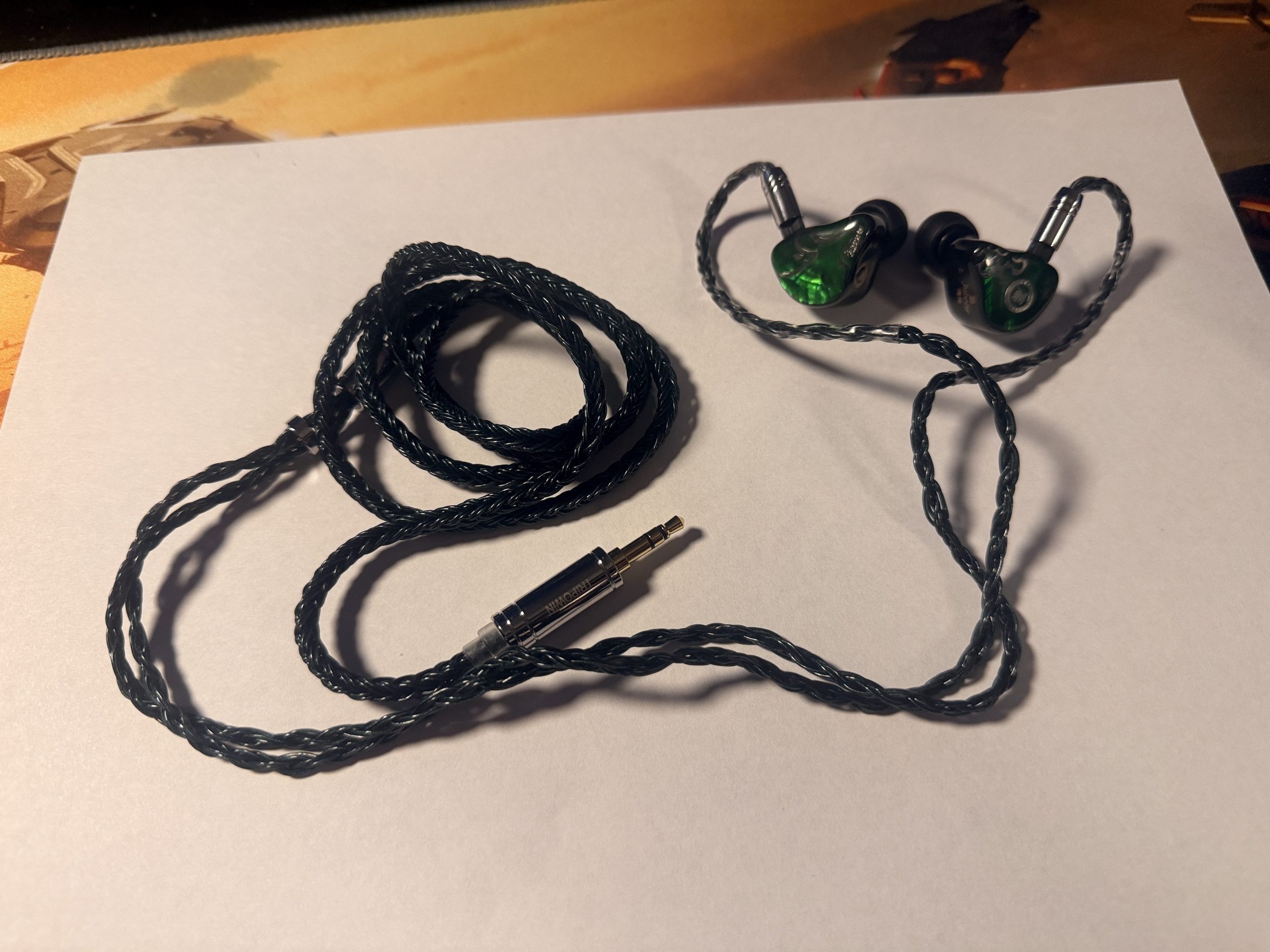
There always is, isn’t there? Let’s talk cables. All IEMs come with cables, of course. Of the ones I acquired, almost all of the cables were too short (125cm/4feet) for my liking. That’s a good enough length to reach the front pocket of a pair of jeans, or the pockets of a jacket, but only just. A lot of cables are also sheathed in a rubbery plastic which should be expected; we are still dealing with electricity. Some of this plastic is pretty rigid which can make coiling the cable just difficult enough to annoy. All of the cables will do the job they were employed to do, however, no matter how long or how inflexible. But there are options, considering that IEMs are modular: they can be unplugged from their cable, and swapped to a different cable. There are many aftermarket cables available in different textures, different lengths, different colors, and different ends.
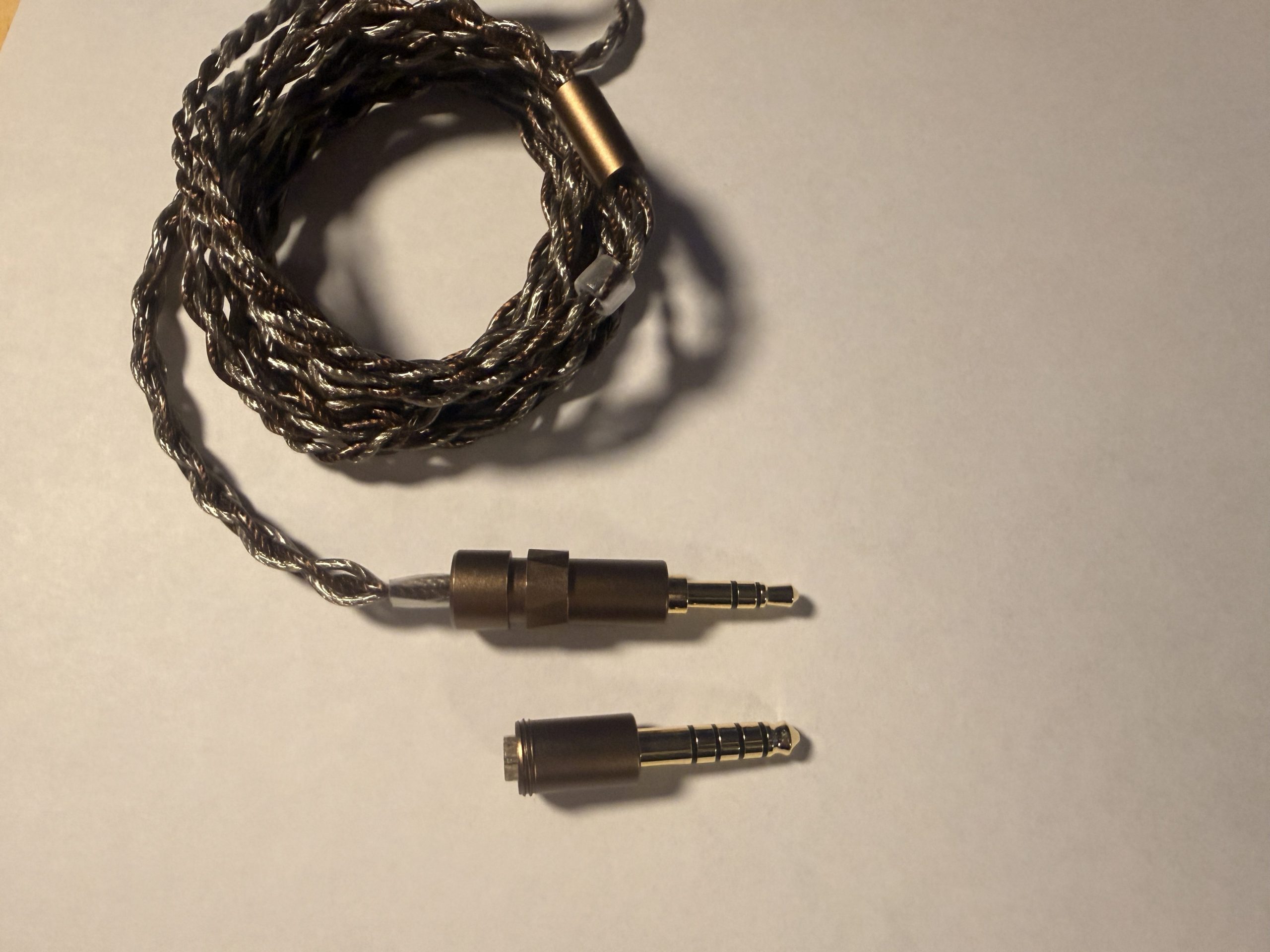
When I say “different ends” I mean two things. The first is the end that the IEMs plug into. These come in a variety of configurations such as exposed 2-pin, covered 2-pin, some kind of square plug, and maybe others. It’s important to ensure that the ends of an aftermarket cable expose the proper connectors for your IEMs before purchasing, obviously. There are also cables out there which include a swappable terminus. I’m using 3.4″ plugs on my devices, but some cables will come with a 4″ plug, or even a USB-C plug as well.
Note that the hive-mind believes that unless we’re talking about the difference between a $2USD single-wire cable and a $5000USD 100-wire cable, there will be no major change in the audio experience, so feel free to choose a new cable on vibes and price.
Baby steps – using your phone
If you’re like me — and you might be; condolences — then the march towards musical independence is more like a sprint starting even before the gun goes off. I have 2 DAPs now, and three sets of IEMs, but that might be more than you’re willing to commit to. Fear not! You too can obsess over audio by using the device you have in your pocket/on your desk/on your night stand/left on the back of the toilet at some bar I don’t judge: your cellphone.
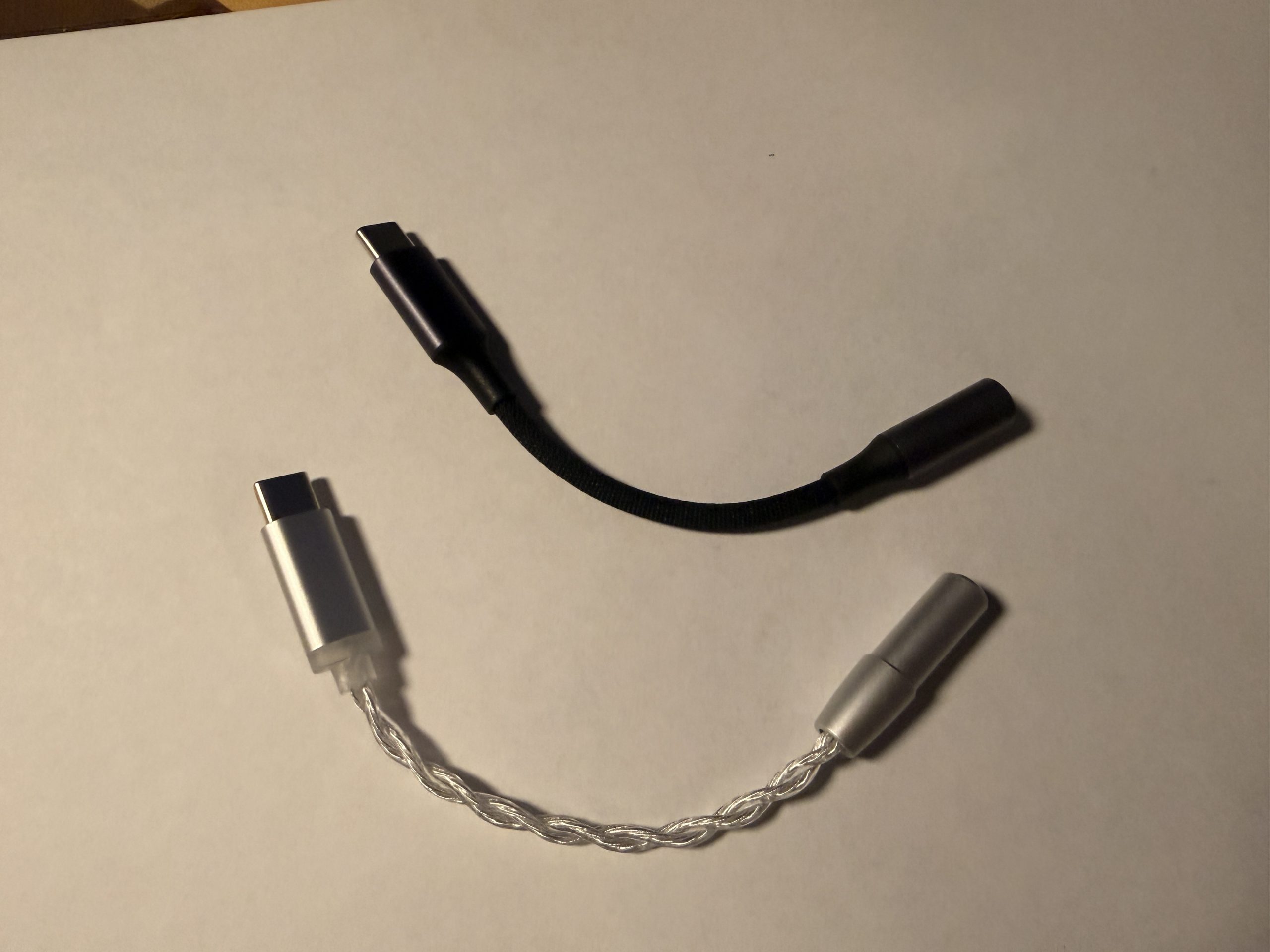
These little dudes (supposedly) contain digital audio converter (DAC) chips, and can be used with any audio device that has a USB-C plug, like your modern cell phones. The good news is that one of these can be had for under $10USD. The better news is that some IEMs might come with one (such as the
Letshuoer S12 Ultra IEMs did for me). I think they are only available in the 3.4″ jack variety, but that seems to be the prevailing wind on this sea anyway so it shouldn’t be an issue. Having one of these on hand will allow you to use modern IEMs (or crappy IEMs that came with, say, the 3DS, and which are sitting in a drawer about 10 feet away but that’s just an estimate). I can’t speak for how this setup compares to a dedicated DAP with multiple processing chips as I haven’t tested it and there are a lot of other factors involved when making the comparison, but if you’re more interested in the IEM side of the audio equation, these can get you started.
Why?
Yeah, this is the punchline, and I have seen other people asking other people: why does one need more than one IEM?
Collecting is certainly a thing. There’s a lot of different styles of IEM out there. I really like the look of the Juzear set. The KZ ZS10’s are simply industrial-looking. The S10 Ultras aren’t exactly my favorite design or color, but they are what they are. Having a diverse set of whatever is part of what collecting is, and if that’s why someone would have multiple sets of IEMs, then that’s why someone would have multiple sets of IEMs.
Music is different for each person. Two people listening to the same song take away two different opinions whether it’s thoughts on the composition, the vocals, the performance, the message, or the emotional impact. Music can carry messages and memories. For a lot of people, music is important, representing a moment in time of our lives, and we might be unwilling to play with that familiarity. For me, having heard many familiar songs differently since embarking on this journey, I’m starting to feel that music doesn’t have to be a moment in time, even when it represents a moment in time. The two are not mutually exclusive, and can coexist in either direction.
I’m not qualified to remark on craftsmanship of a song, but I know that there have been many songs that used to have an emotional impact on me but no longer do, in part because I’ve heard them too often. Listening to these songs, and being able to parse out a totally different level that was always present, but hidden because “good enough” mass market drivers were literally only good enough, listening to music has become like a treasure hunt. It feels a bit more fulfilling to hear a wider range within familiar performances, returns their freshness, and reinvigorates my emotional attachment to these songs.
Each IEM has it’s own strengths and weaknesses and while Squiglink can provide the scientific explanations, lines on a graph are far more impersonal than music should be, in my opinion. Graphs have their value, but only to start a journey. After that, it becomes guided trial and error. I now have a set of IEMs for bass response, one for top-end frequencies, and one that falls somewhere in the middle. I’d like to say that this is enough, that I have covered the ground that needs to be covered, but part of…well, it’s not quite obsession, but I’m also not willing to be satisfied on a strictly numerical basis. I know that if I did stop paying attention now, I could be happy, but I will leave myself open to the knowledge that there will always be gaps in my experience in this area, and there will be opportunities to fill those gaps, so I’ll never say never to just one more set of IEMs.