Scopique
 Scopique
Pretty much all of my hobbies require a computer. Computers are incredibly flexible, specifically in terms of simulation, and the cost of running simulations on a PC are insanely low compared to doing those things in real life. For example, I could build a house in any number of software packages, from The Sims to Blender, for practically nothing; doing the same IRL would bankrupt me. The downside to simulations is that I’m tethered to the PC, which is in my basement which only has one window, and is hardly portable.
I’ve been wanting to get into woodworking for a while now, and since refacing our deck the interest has intensified somewhat. I’m still daunted by the amount of investment I would have to make in order to even start because unlike my house in The Sims, I can’t just spawn in new wood when I screw something up; I have to go back down to the hardware store and spend real money to remedy my mistakes. Then there’s the tools. In my mind, I need to have the right tools which, for someone who is just learning how to do something, might seem insane. I’m not saying the “best” tools, but having tools that are best suited for a task is a rabbit hole I know exists, and which intimidates me and my wallet.
Looking to bridge the physical and the digital, I stumbled across a program called CRUMB.
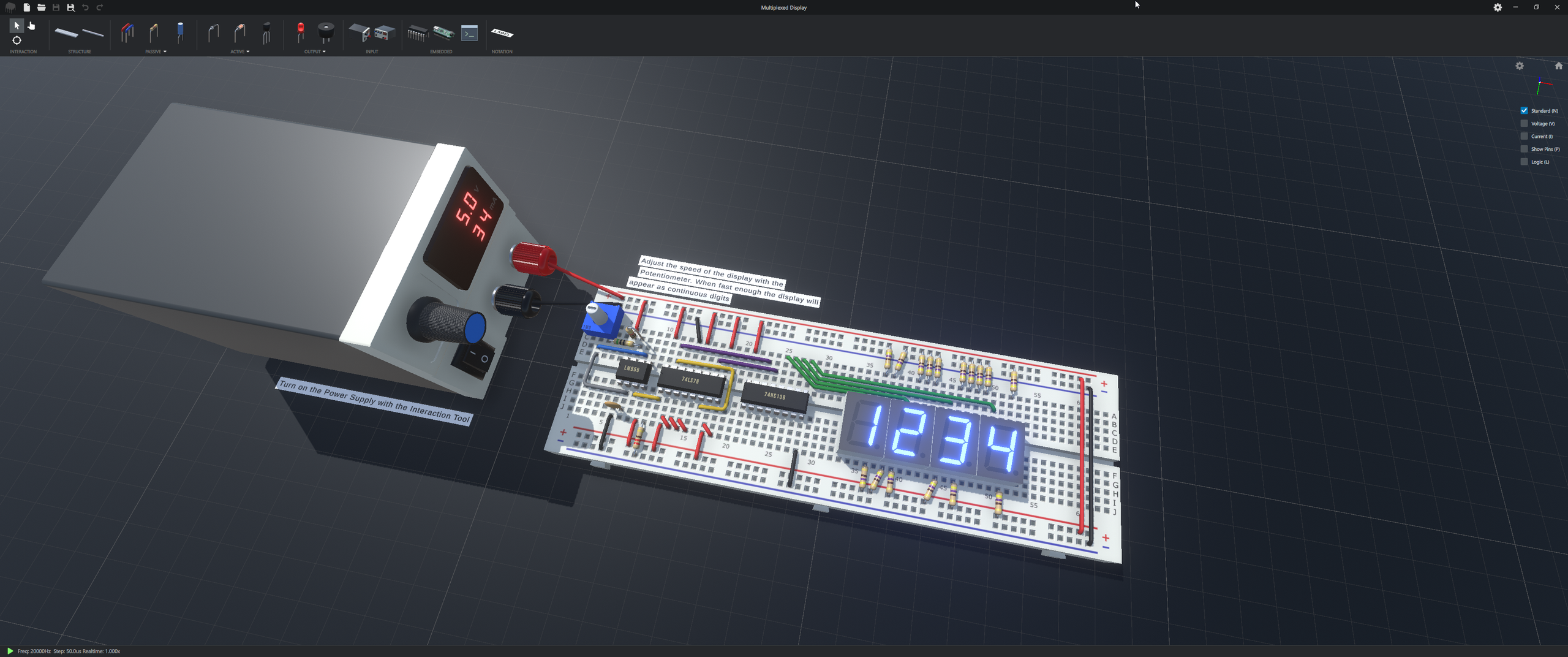
CRUMB is an electronic project simulator. It is designed for people to simulate circuits, without having to invest in or commit to the physical parts in the real world. This is ideal for anyone, specifically in this space, because somewhere down the line a computer will probably need to get involved, so why worry up front about having a physical workspace alongside a computer, with wires and resistors and power sources and all that when I could just have one chair, one PC, and one app to design and test things?
And thus, another goddam project obsession is born.
There are concerns, of course. First and foremost, electrical engineering is something people spend years studying. It’s an incredibly complex and math heavy profession. I suck at math on a good day, so this is all less of a slow and steady climb, and more like climbing Everest with both feet tied behind my back. The Internet has a lot of learning resources, more than I had when I was actually in college, but could I learn enough to make headway into a subject that would allow me to feel that I’m making progress? Because that feeling of progress is what allows me to keep on keeping on despite any moment-by-moment feels of difficulty and despair.
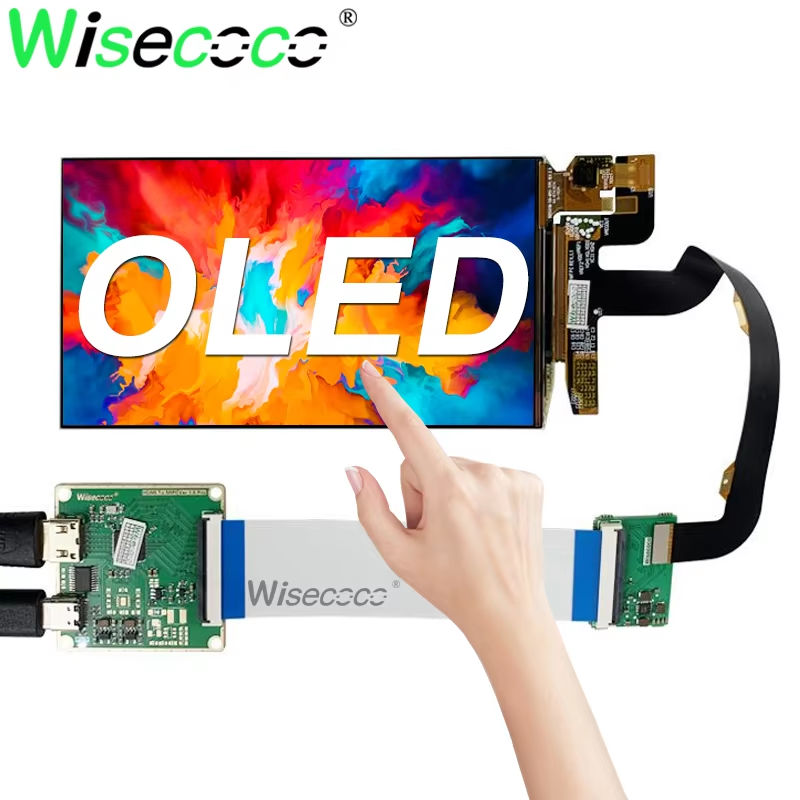
This is another case of “why, tho?”. I don’t have any specific project that I’d like to create, although I’d think that if I had the opportunities to create something in this arena I could certainly find a reason, like how I still find things to print with my 3D printer. I’ve been seeing a lot of 3D printed housings for eink tablets, for example, and might like to understand how to create my own contraption, complete with software, so I could justify a eink project. There are a whole lot of inexpensive parts that I’ve seen, such as small touch-screen panels, that I know I could find some use for, but they’re so bare-bones that I’d need to understand the hows and whys of connecting all of the parts together just to get to a point where I’d have something useful for…some reason. I like the idea of being self-sufficient, and rather than buying “a tablet” and installing someone else’s software, maybe I could build something similar for a fraction of the cost, and learn something new in the process.
I have no idea if this idea will have any long-term traction, although I’ve learned that my mind follows a similar path every time I get invested in a new project path. First I learn that something exists. Then I decide that I’d like to do that something. Then I spend a lot of time researching it, and eventually decide that it’s too damn hard or too damn much to learn. But I can’t let it go, so I hate-continue around the fringes, circling the idea and in the process, start to spiral inwards. I pick up some info here, some test cases there, and despite my constant irritation that the subject is just beyond me, I end up learning despite myself. This is how I switched from ASP to C# for web projects many years ago, and how I eventually learned Blender despite the intimidating UI and industry concepts.
The good news is that I found some “intro to electrical engineering” courses online, and CRUMB, which started out as a hobby project by a solo developer, is moving towards a more expansive and comprehensive 2.0 release, due out by the end of the year. 2.0 aims to reach parity with real-world circuitry such that a person could connect real world hardware to their PC and design, program, and operate both the simulation and the physical hardware in lock-step. Will any of this pan out? I have no idea! My ability to learn is decreasing by the day, it seems, and much of what I read and comprehend tuns to smoke before I reach the end of the current sentence, but that’s no reason to stop. I enjoy the process, and it helps suppress the irritation I have with myself not knowing anything about this newfound interest.