
 Scopique
 Scopique
This blog is not me standing on your streetcorner wearing a sandwich-board proclaiming that the end is neigh. I’m only going on about this Discord situation because I need content for the site, and because I’ve chosen this topic as my rabbit hole du-jour.
TeamSpeak 6 (Beta)
I was blown away by TeamSpeak version 6. Last time I used TS was back in the early 2000’s and even in the YooL 2026, it looks as old as it is.
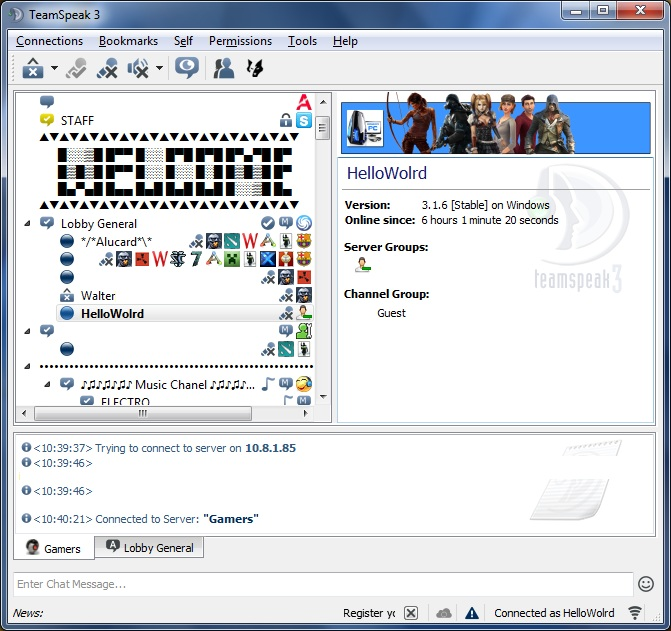
TS 6, though, is overhauling the UI for the first time in…24 years?
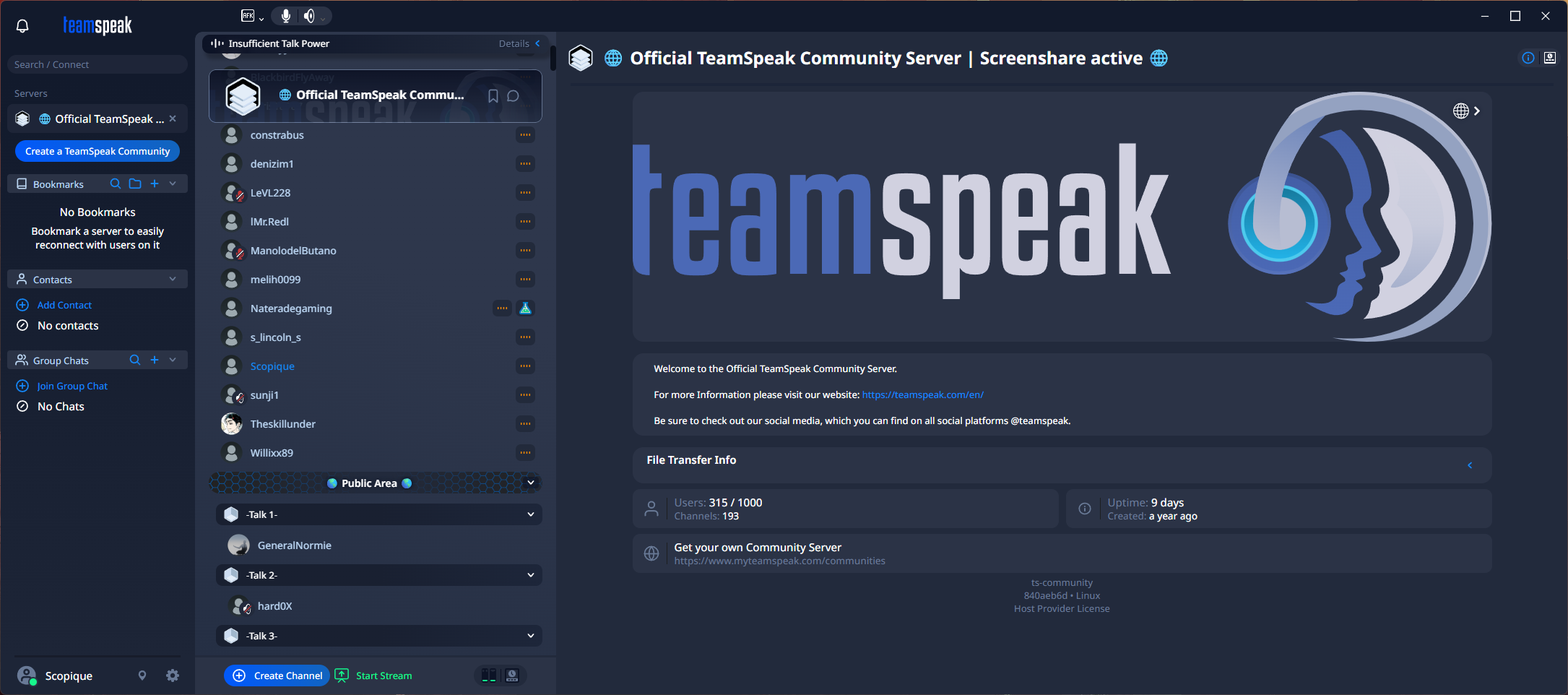
I set up a TS 6 (beta) server on an old gaming laptop this morning and got @Mindstrike to help test it out. It worked really well! Voice was clear, and screen-sharing has a P2P option so it doesn’t put a lot of load on the server.
The biggest issue, though, is that TS is a voice-first platform, so when connecting, users are dropped into a voice channel. All channels are voice channels. If you’re not joining a community to talk with other users, then TS is going to be a very hard sell. Every voice channel still has text chat, but users can only see chats in their current voice channel; to see other chats — to even know if other chats are happening — users need to leave their current voice channel and enter a different voice channel. There are “group chats” which are server-independent, but to make them private an admin would have to invite every person to every chat individually which could be a massive PITA for admins who are looking to recreate larger Discord servers with a whole lot of users.
If it was possible to stay in one voice channel and to view all other text channels on a server without having to leave the voice server, I’d switch to TS in a heartbeat. The server runs well on my laptop and my friend group has historical experience with TS. Since the server is still in beta, maybe there’s a chance the TS crew will find a way to make this kind of feature happen.
GameVox (Beta)
I did stumble across GameVox when looking into Ventrilo, as Vent has a very tiny link at the bottom of their homepage asking folks to check out GameVox.
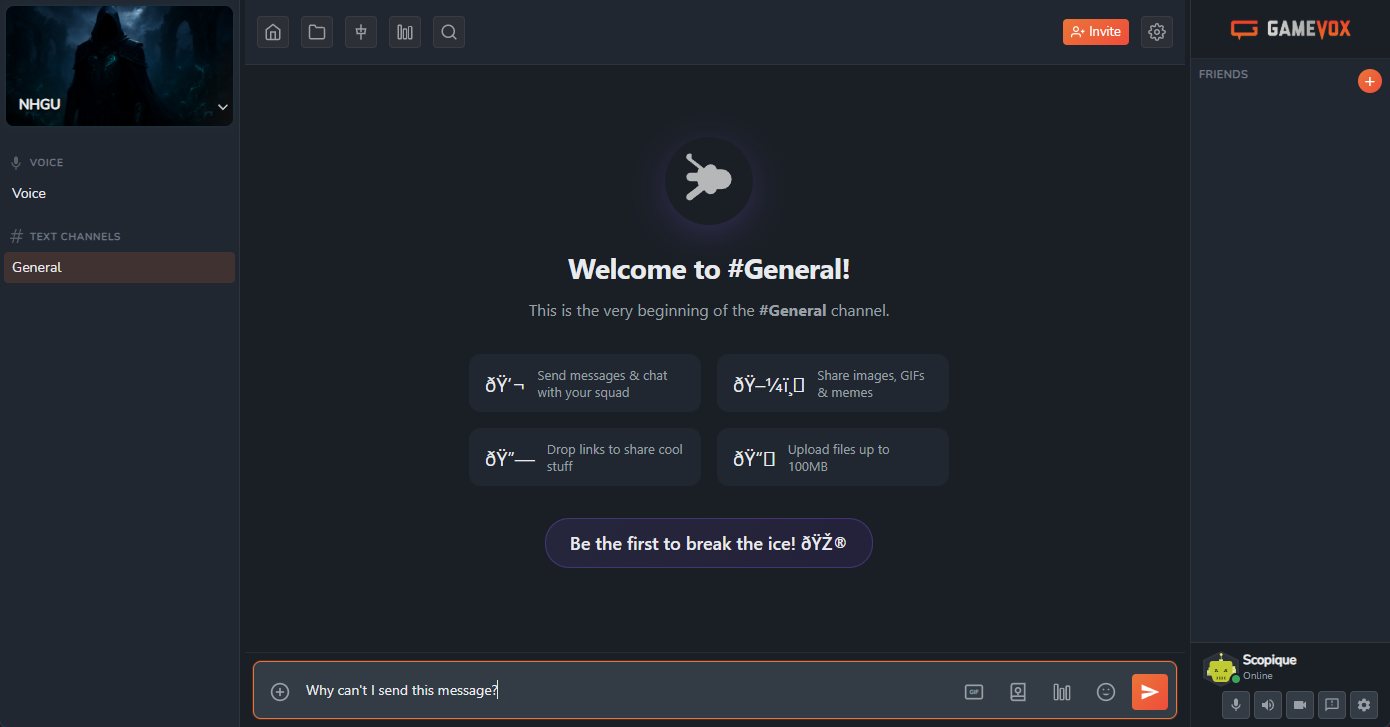
I did a quick search for info about this platform and found a similarly named company/app that closed down in 2017 so I wasn’t sure why this “GameVox” was claiming to be in beta. Different company? Rebirth? Whatever the case, I tried the web UI and while the app looks pretty good, it’s not working well enough for me to test. Initially I couldn’t send chat messages in the default channel of the server I created, and could not connect to the default voice channel either. EVentually it all kicked in, though, so I suspect there was back-end shenanigans going on at the time. Good to see, as I assume such shenans are due to ongoing development. I hope.
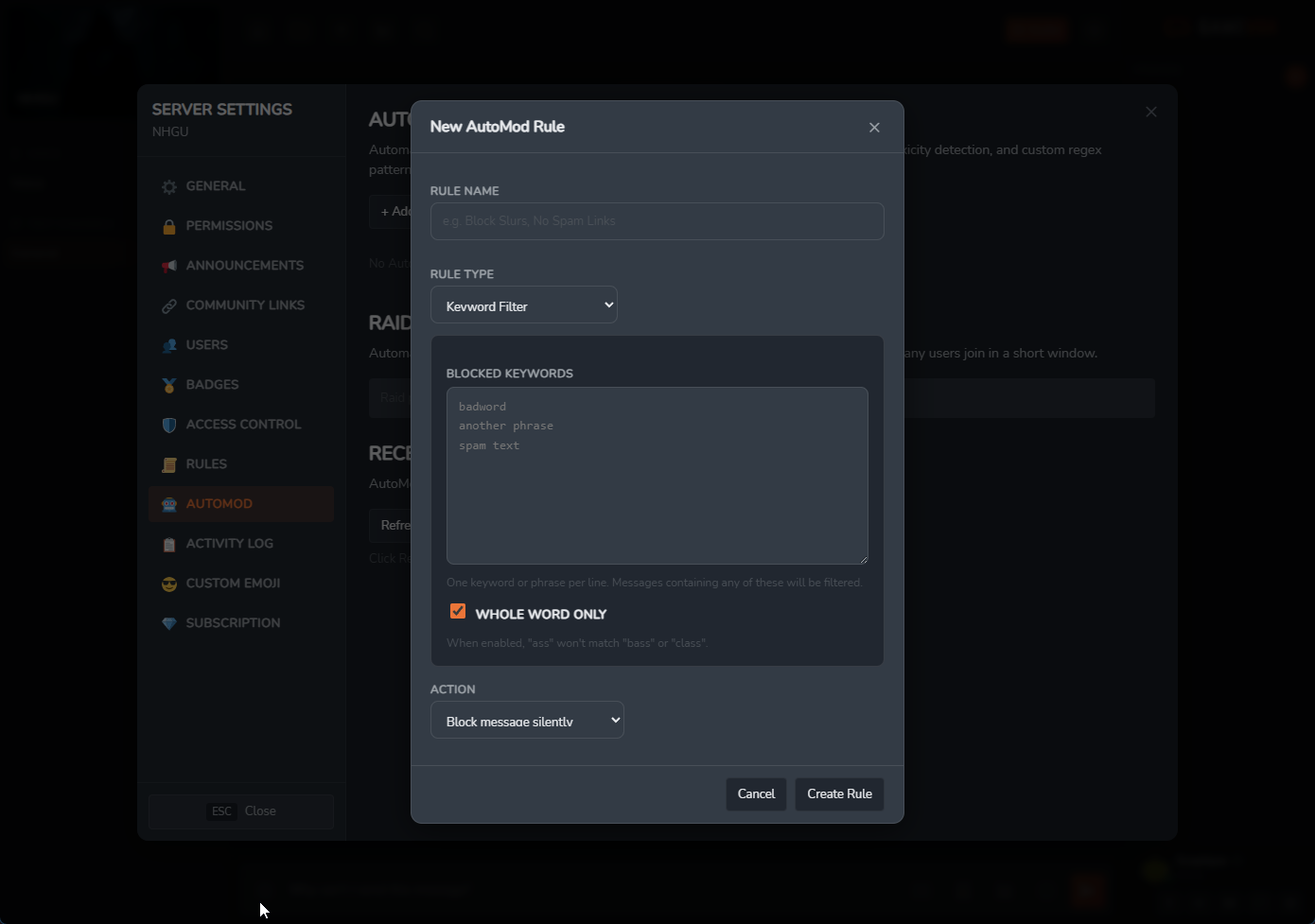
There are apparently good things going on here, though. I tested the mic in the audio settings and it not only worked, but it sounded fantastic. Server settings are pretty interesting. Aside from the usual permissions and such, there are settings for global announcements, server-specific custom badges, and an auto-mod:
If the GameVox crew can step up their game, I think that this will be a real contender. The Achilles Heel, though, is that while there are free accounts, they are pretty limited for all but the most casual communities:
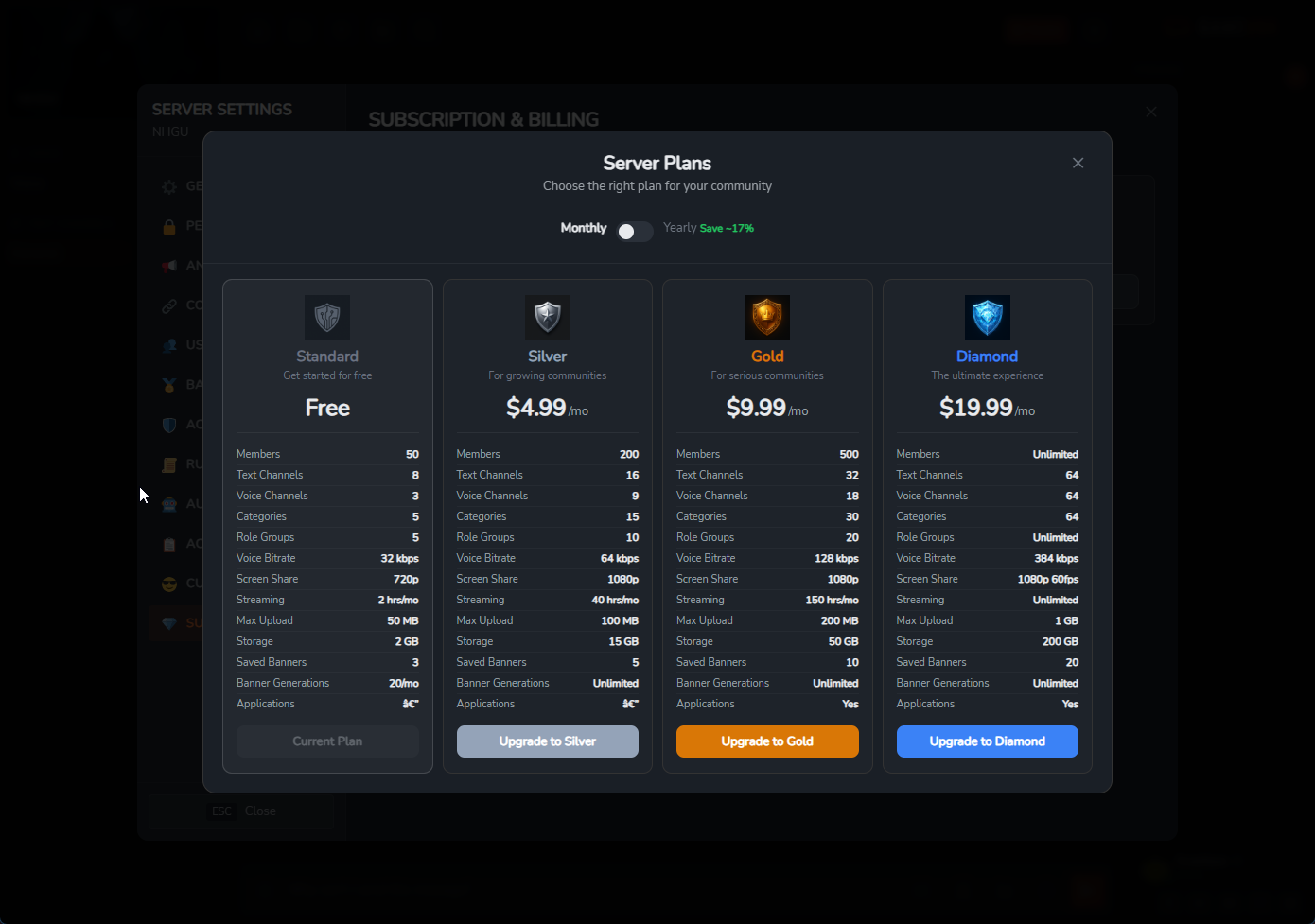
Free user servers can only have 8 text channels, 3 voice channels, a voice bitrate of 32kbps, screen share of only 720p, and streaming cap of 2 hours per month. That last one kills me because my friends and I use screen-share all the time. The gold tier removes the streaming cap and increases other caps significantly (but doesn’t remove them entirely) for $20USD/month. While that’s not exactly prohibitive, especially if GameVox institutes a group pay option that community members can contribute to, it’s a far cry from what folks are used to with Discord. Still, lights must stay on, and not everyone can, will, or even should host their own servers.
Stoat
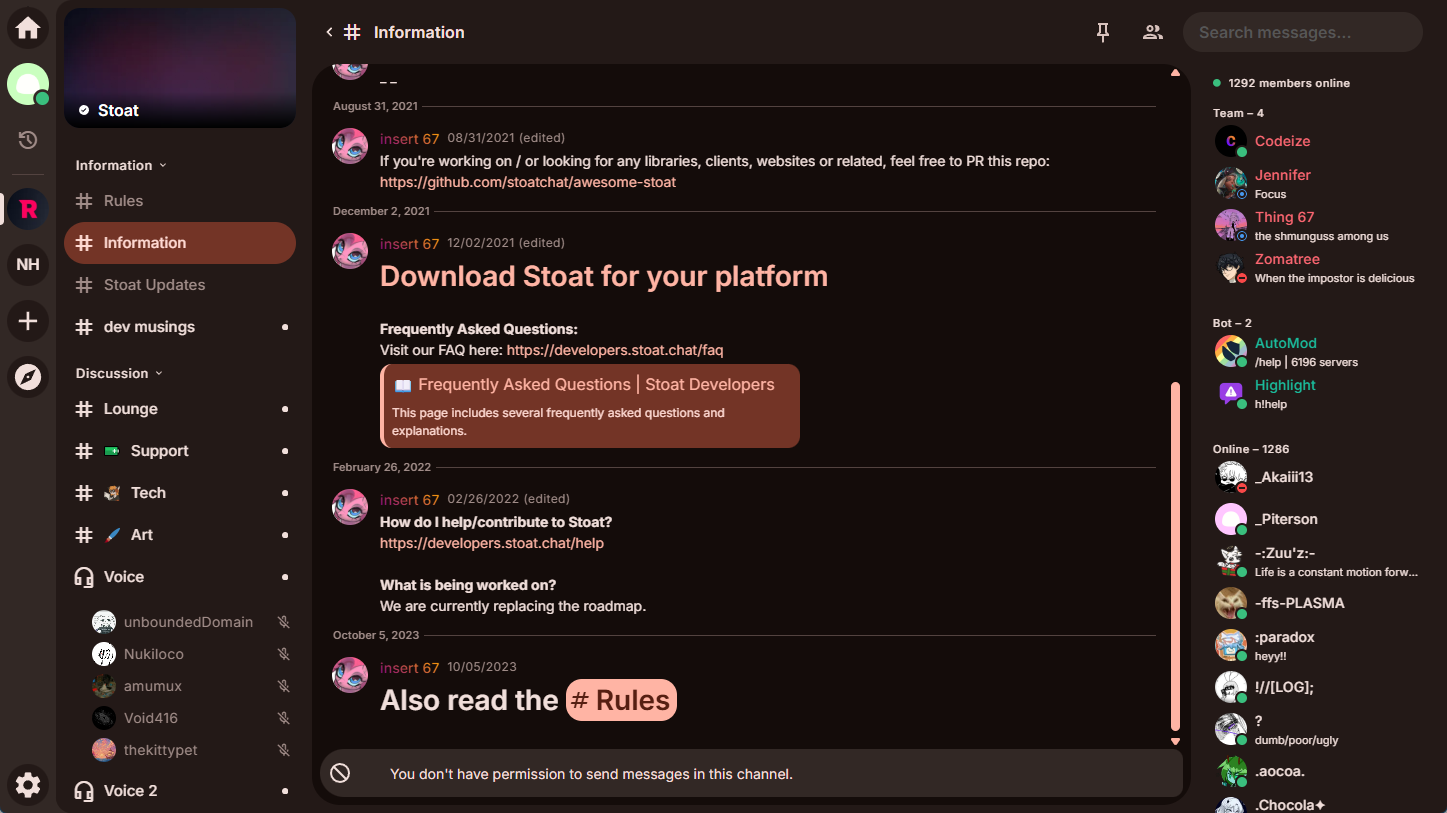
I spent some time sitting in the Stoat server’s “Lounge” channel this morning and aside from having to stab my eyes out due to traditional general channel chat behavior, it worked pretty well. It seems to have an issue keeping up with the chat flow, as I was unable to maintain position on the latest message, resulting a whole lot of scrolling to keep up.
I had been 20% of the way towards setting up a test server of my own until I read that neither the desktop nor the mobile app can currently connect to self-hosted instances. Each instance does come with a web UI of it’s own — which is great, because it means that hosts can customize the UI for their own needs if desired — but the self-hosted web version can’t connect to voice chat. As of right now, there’s no good avenue for actually using Stoat, and AFAIK, no roadmap made available for what’s being worked on and when we might expect it.
Fluxer
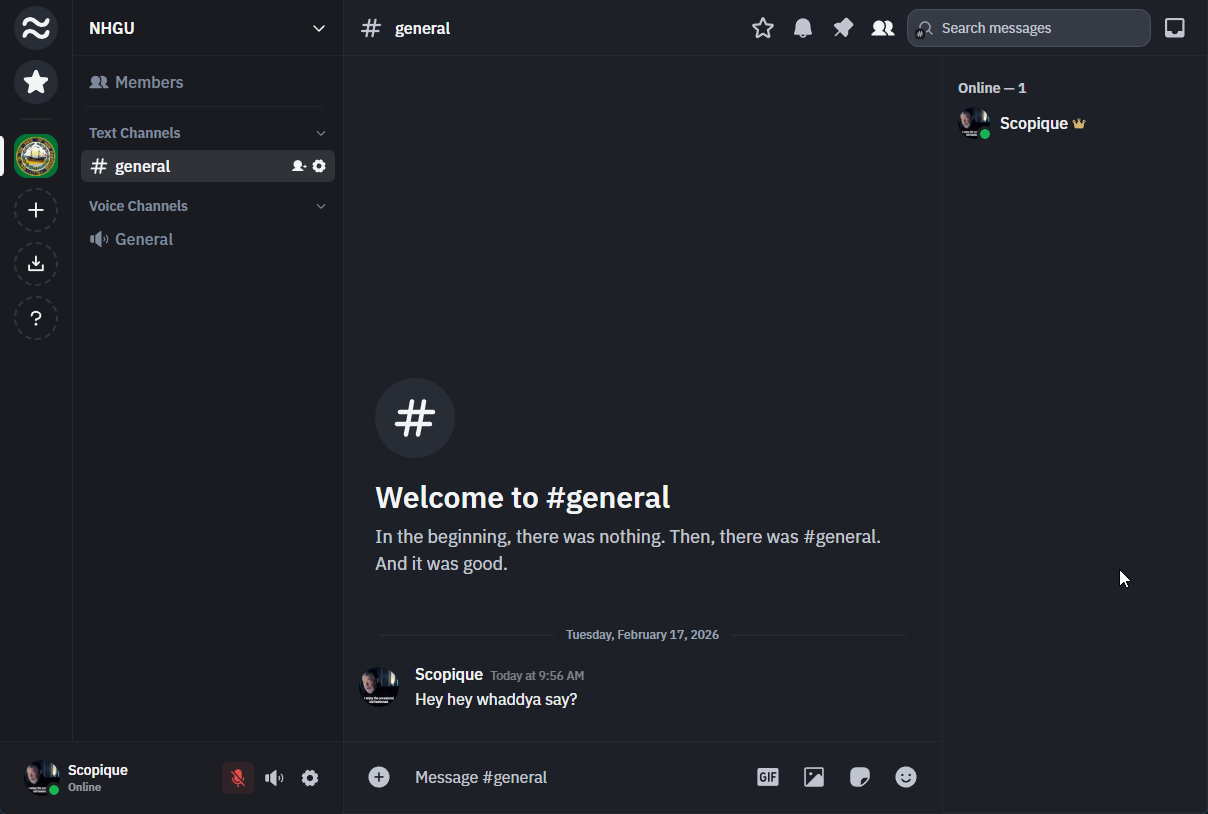
We’re getting into the reeds here; Fluxer is another Discord-like that was made known to me, but I have yet to really put it through it’s paces. I do wish I had friends who were as interested in this kind of thing — software trials, not specifically Discord-likes — so that we could really kick tires, but in absence of that I have to do what I can, where I can.
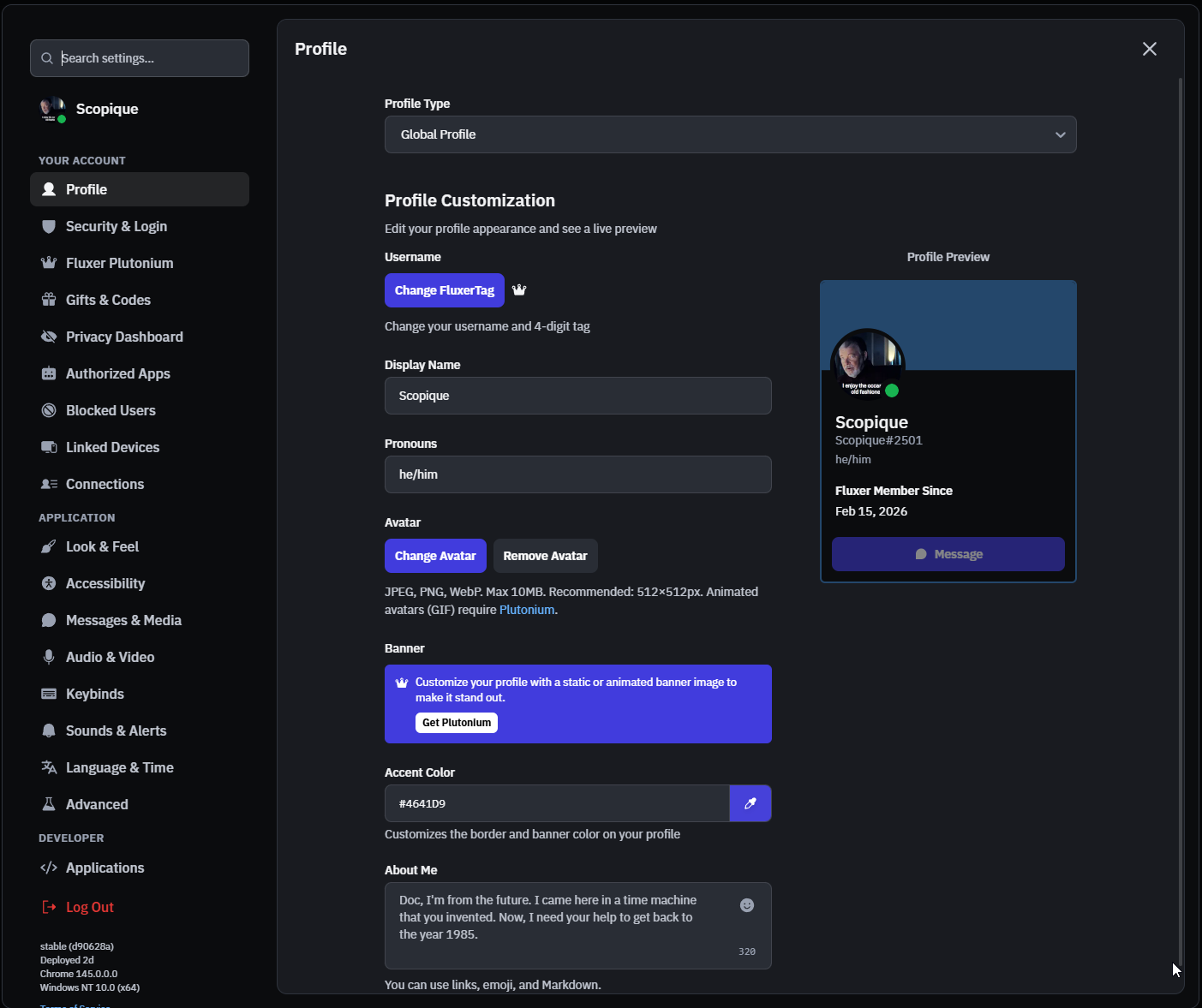
Fluxer seems to be decently along in development. Their BlueSky account posted an update 2 days ago (as of the writing of this post), and they have a good number of settings for the platform. There is a premium tier running $4.99USD per month or $49.99USD annually which provides a lot of nice to haves; I usually look at things like imposed limits for free accounts (files at 25MB, 720p for broadcasting, etc.) rather than special perks (customer usernames, animated avatars, etc.)
Commet
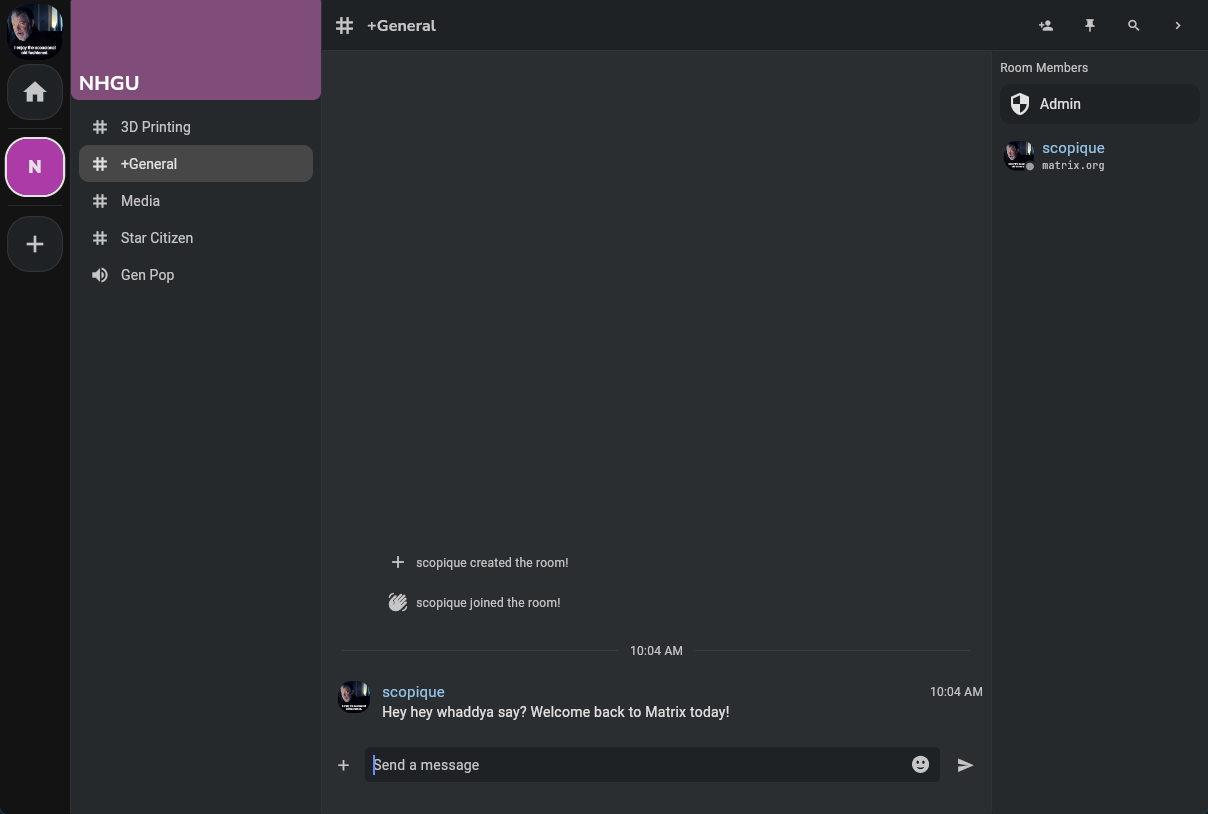
I just learned about this one this morning via a YouTube interview with the developer. Commet is a custom front-end on top of the Matrix network. It behaves a lot like Discord, but uses the federated account and communication powers of Matrix to allow anyone with a Matrix network account to connect and communicate. As of right now, it’s very bare bones in terms of features, and is only at version 0.4.0, but it’s adding new features that maybe other Matrix clients do not, such as a dedicated photo gallery room, additional audio transport options for future-proofing, a calendar, and possibly more to come.
I think that this would be the best option, personally, as Matrix is established, and the UI is just a coat of paint-with-benefits on top of the decentralized network. If Commet can keep chugging along, it could give other Matrix front-ends breathing room to get themselves in order as well, and we could see the federated version of Discord as we see in federated platforms like Mastodon, Peertube, and others.
The Microsoft Problem
It’s not what you think.
My first “smartphone” was a Windows Mobile device.
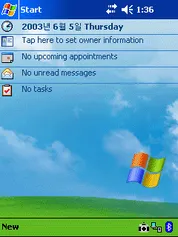
At the time, it was either this or a Blackberry. I had no business owning either but being a tech fan, of course I went hard. While the implementation was not without issues (it’s Microsoft), RIM had the business market sewn up so Microsoft had an opportunity to be the big player in the consumer space.
Then the iPhone happened. Microsoft didn’t respond. Then Android happened. Microsoft eventually wised up to the new paradigm in PDA/cellular mashups and released the Windows Phone which, at that point, wasn’t even a blip on the radars of partisans who had established their loyalty to the other platforms. I had a Windows Phone and I liked it just fine but the truth is that by the time Microsoft got around to joining the fray, everyone had already made the decision of which platform they wanted to support. It was, in part, a case of “why do we need another [cellphone platform, especially from Microsoft]?” situation.
This long-winded footnote is how I’m feeling about some of these community platforms like Stoat and GameVox who are just starting to enter the limelight. They have their boosters — Windows Phone also had their boosters, which is a fact even if you don’t believe it — and many folks will probably stick with them for the long haul, but if people are jumping from the Discord ship right now, they’re going to want to land on a platform that can give them the same or as close to similar an experience as they just left. I don’t like to use this phrase, but it’s self-serving in this case: “we aren’t paying for promise”. Platforms who are just spinning up or are trying to find their footing in this rapidly changing space are going to have a hard go against more established platforms in six, nine, or 12 months unless they can really light the fire under their development efforts and kick out meaningful, visible updates at a rapid fire pace. I would absolutely love to see all of these platforms thrive, so I’m hoping that everyone who is throwing their hat into this arena can do a great job. It used to be that companies competed with one another based on features (and price), so I’d love to see this space getting back to those consumer-first brass tacks.


3 Comments
welshtroll
February 20, 2026 - 10:35 amSince your post GameVox has increased the voice bitrate and screenshare on the free tier and removed that streaming cap from all tiers.
Maybe their figured it was a key to bring folks in.
Scopique
February 20, 2026 - 1:32 pmIt’s funny you mention that…I had been talking to my daughter after I posted this (she is also looking for Discord alternatives) and went back to GameVox and noticed the update almost IMMEDIATELY after I grabbed the screenshot. I’m interested to know if this is a permanent move, or is a beta period thing.
welshtroll
February 22, 2026 - 2:53 amCan’t see if it’s permanent, but it’s enough of a change to encourage my clan mates to give it a test.
We know it’s early days at the moment and very much in development, but Lightspeed where always a good company to deal with and didn’t try and screw us gamers over, so keeping some hope.
Comments are closed.